- News
- /
The Art of Barrel Aging: How Barrels Transform Beer
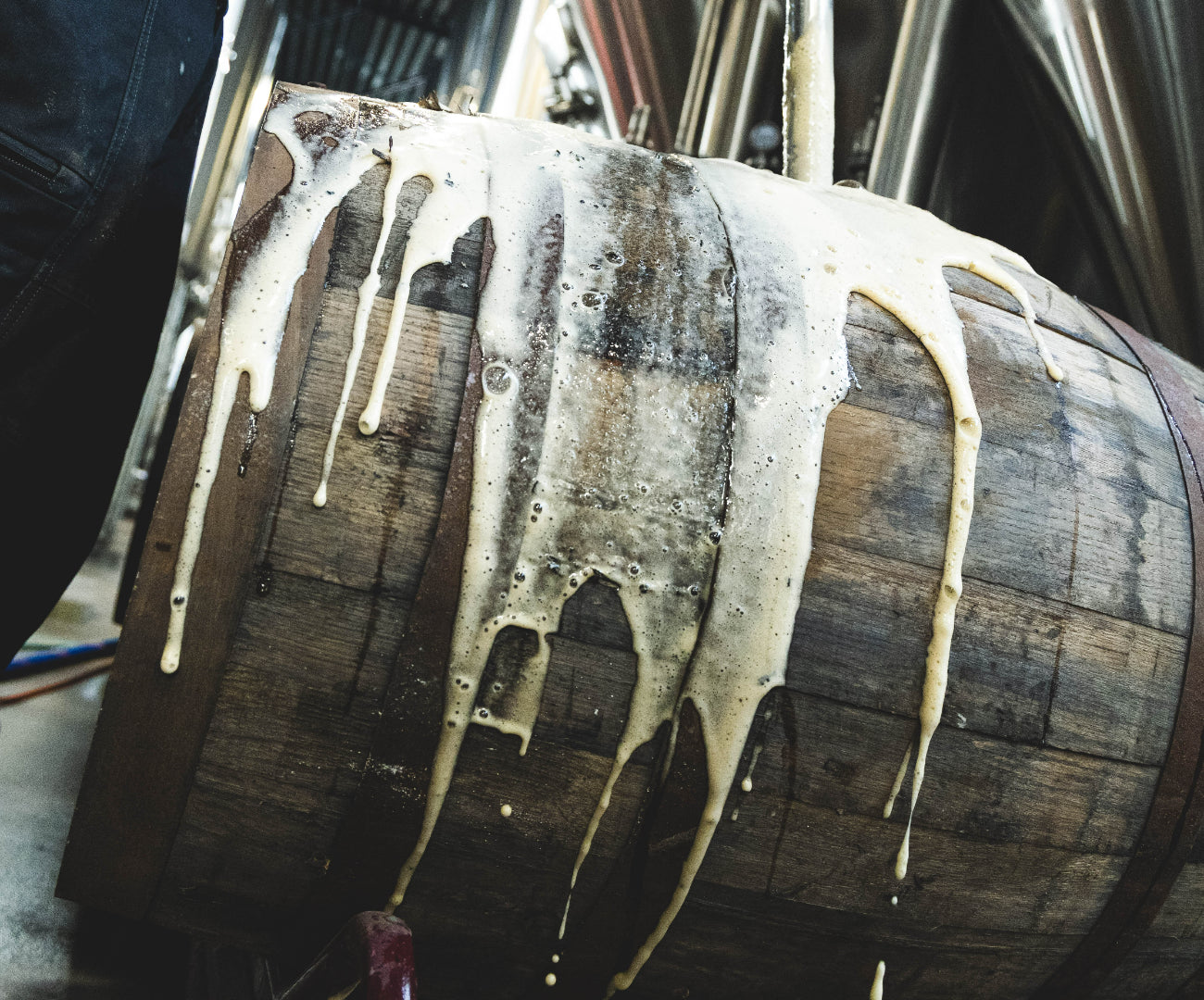
Barrel aging, the maturation of beer in wooden barrels, is an age-old technique that allows modern brewers to discover new flavors. With ingredients like water, malt, hops, yeast, and a range of spices, brewers create unique beers. The barrels in which beer matures add an extra layer of complexity. Discover how barrel aging elevates beer to a higher level and what role wood types and previous contents play.
What does barrel aging add to beer?
A brewer has several ingredients to play with: water, malt, hops, and yeast as the main ones. In addition, if the beer style calls for it, you can add some extra herbs and spices. Even if the beer style doesn't call for it, by the way, the brewer is the boss. A fifth ingredient is the brewing installation: brew a beer on a different installation and the beer will turn out slightly different. Once the beer is ready, there's another ingredient: the barrels in which a beer can mature. Barrel aging is the bomb.
A brewery is a playground where beautiful flavors are created. Often, after lagering, the beer is good enough to delight beer drinkers. Sometimes it's better to store the beers in a barrel for a change of taste. And it's really cool if you can drink the two variants side by side to taste the influence of barrel aging. Playing with flavor, the most fun there is.

How does the previous drink influence the beer?
Rule number one of barrel aging is that you should put beers in wet barrels: which means they should be used as fresh as possible. So once the wine, bourbon, rum, whiskey, etc. are out, the beer can go in. Wood is thirsty, so there's still quite a bit of the previous drink stored in the staves. That will mix nicely with the beer and thus impart a lot of flavor. (And sometimes there's anyway a small amount of the drink left in the barrel that will mix.) You understand that the alcohol percentage of the beer will also immediately increase a bit.
It doesn't matter what drink was in the barrel first. As long as it adds a flavor that suits the beer. Calvados gives that fresh apple taste. Grappa full grapes. Rum tropical fruit and sweetness. Bourbon the sweet corn (and vanilla from American oak). You can use anything: different gins, cachaça, mezcal, tequila, port, moscatel, madeira, aguardente, merlot, armagnac, Irish whiskey, Scotch whiskey from any region, et cetera, et cetera.

The taste of the wood
Besides the drink imparting flavor, the type of wood the barrel is made from also matters. There isn't much choice in that: 99% of all barrels are made of oak, so don't expect beers in walnut or cherry wood from us. There is a difference in taste if it's European or American oak (and it seems you can even taste a difference between French or Spanish oak...). European oak mainly gives notes of toast and vanilla. With American oak, you taste more sweet vanilla and coconut aromas.
Charring
What is actually most important when using barrels is the degree of 'toasting'. When a wooden barrel is used for the first time, it is set on fire. The inside of the barrel is 'toasted' or 'charred': the wood is treated to a greater or lesser extent with fire. This causes the pores of the wood to open up and the liquid that goes in makes more contact with the wood. This way, the wood imparts more flavor. And it continues to do so when beer is aged in it after the spirits.
Is oxidation bad for all beers?
You may have heard that beer absolutely cannot tolerate oxygen, for example, in our blog about bottling. Then you have a problem with barrel aging. Because even if you fill such a barrel to the brim, air will always remain or re-enter the barrel. Wood breathes, and absorbs moisture. So the beer you age in barrels must be able to withstand oxidation.
Oxygen causes the beer to develop an aged taste, but that is not always bad. With a pilsner, it means you smell and taste old paper; with an IPA, the fruitiness is gone and you get more malty smells and tastes (and also that cardboard taste), which is not something you want. With stouts and barley wines, on the other hand, you get flavors of raisins, rum-soaked raisins, or Madeira. It makes the beer different, and sometimes even tastier.

We love barrel aging
You now know that we like to play in our brewery, and barrel aging is one of the playgrounds we have. We regularly buy barrels to age our beers. Beautiful, heavy beers that get an extra edge on their already beautiful taste. A little peatiness for a stout, or some bourbon, and sometimes just the taste of the oak to give a quadrupel that little bit extra. For beers that can quietly age for a while. To then quietly enjoy.
Do you want to taste all sorts of different beers that we have also aged in special barrels? Then try the Barrel Collab Series.